How to Get a Home Loan When You're Self-Employed
26 June 2026 · The Newcastle Mortgage Broker
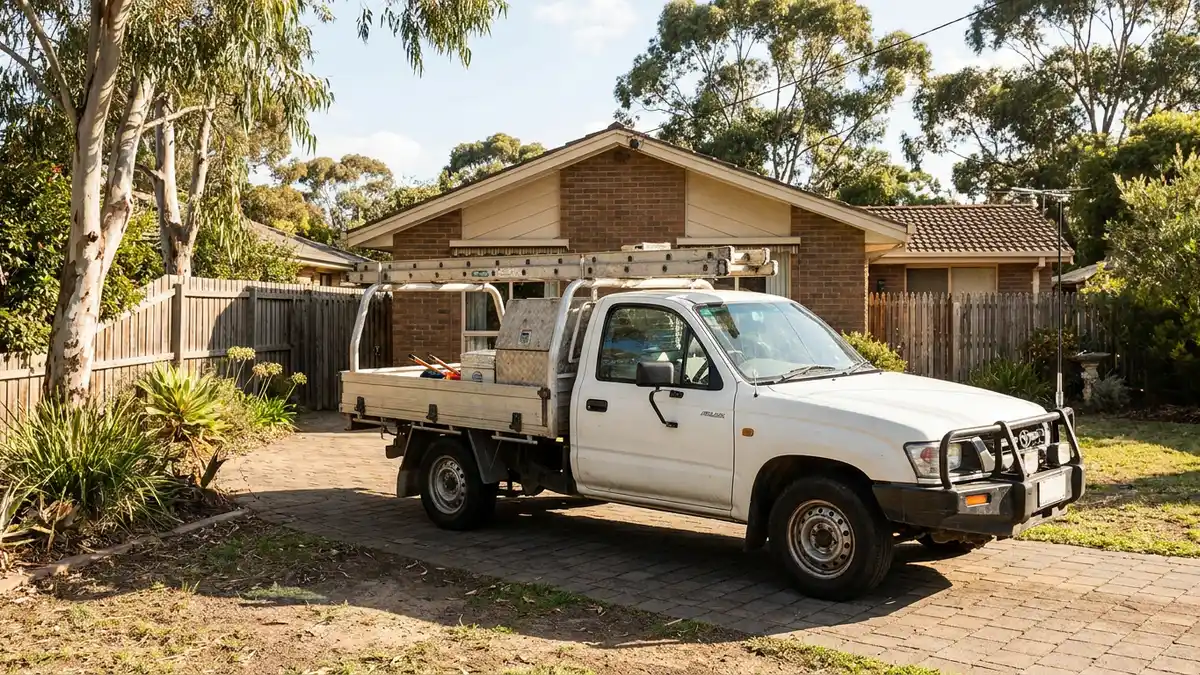
Running your own business doesn’t mean home ownership is out of reach. It just means lenders look at your income a little differently, and being prepared makes a big difference.
Why a self employed home loan is different
When you work for a boss, lenders see neat, regular payslips. When you work for yourself, your income can go up and down. A busy sparky might earn more one year and less the next.
Lenders aren’t trying to catch you out. They just want to see that your income is steady enough to handle repayments over time. So instead of payslips, they look at your business records.
The good news is that plenty of self-employed people in Newcastle buy homes every year. Many of the same home loan options are open to you, with a few extra steps.
What lenders usually want to see
Most lenders ask for proof that your business income is consistent. The exact list varies, but you’ll often need:
- Two years of personal tax returns
- Two years of business tax returns and financial statements
- Recent BAS (Business Activity Statements)
- Sometimes bank statements for your business account
They use this to work out your average income. If one year was much higher than the other, some lenders use the lower figure to be safe. Others may average the two.
This is why your accountant matters. If your tax returns show very low income because of business deductions, your borrowing power can look smaller than it feels day to day.
Low-doc loans and newer businesses
What if you haven’t been trading for two full years, or your latest returns aren’t ready yet? You may still have options.
Low-doc (low documentation) loans are built for self-employed borrowers who can’t tick every standard box. Instead of full tax returns, a lender might accept things like BAS, an accountant’s letter, or business bank statements.
These loans often come with their own rules. You may need a larger deposit, and the interest rate can be higher. They suit some people and not others, so it’s worth getting the full picture before you decide.
How a broker helps you find the right fit
Here’s the part that trips a lot of people up. Every lender treats self-employed income differently. One bank might say no, while another looks at the same numbers and says yes.
A broker knows these differences. We can match your situation, whether you’re a tradie, a small business owner, or a contractor, to lenders who are comfortable with how you earn.
We also help you get your paperwork sorted before you apply, so the process runs smoother. That can include lining up the right documents and working out a realistic borrowing range.
If you’re buying your first place, you might also like our notes for first home buyers. Already own a home and thinking of unlocking equity or changing loans? Our pages on refinancing and investment loans may help too.
The simplest next step is a chat. You can request a callback and we’ll talk through your numbers and your options, with no pressure.
Frequently asked questions
How long do I need to be self-employed to get a home loan?+
Many lenders prefer to see about two years of self-employed income through tax returns. Some may consider less time, especially if you worked in the same field before, but the rules vary by lender.
Can I get a home loan with only one year of tax returns?+
It can be possible with certain lenders or through a low-doc loan, often using BAS or an accountant's letter. The options and conditions differ, so it's worth checking your specific situation.
Do self-employed home loans cost more?+
Standard loans for self-employed people can be priced the same as for employees if you meet normal criteria. Low-doc loans sometimes carry a higher rate or need a larger deposit, so it depends on the loan type.
Talk to a local Newcastle broker
Free, no-obligation chat about your situation.
This article is general information only and does not take your personal circumstances into account. Speak to a licensed mortgage broker for advice specific to you.